When people think about saving bees, honey bees are usually the first to come to mind. They’re well known for producing honey and helping pollinate many of the crops we depend on for food, but honey bees aren’t the only important pollinators.
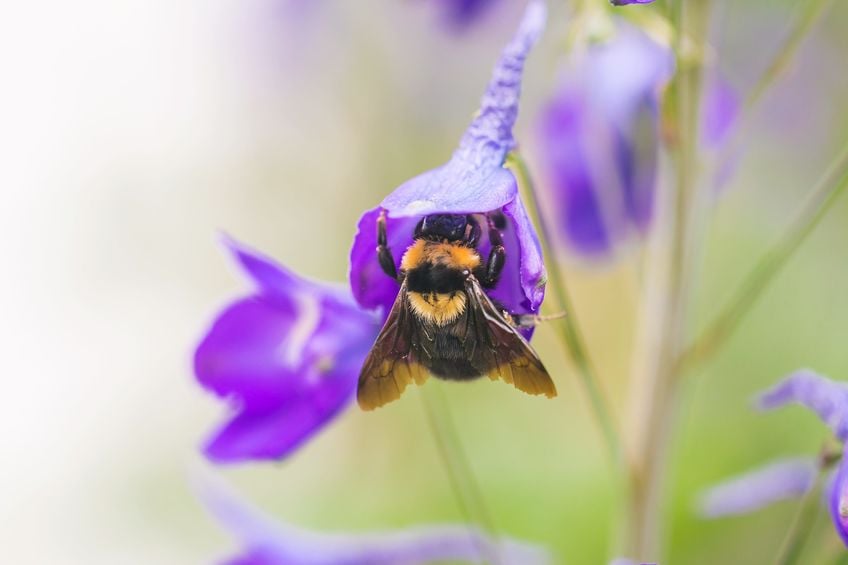
The United States is home to more than 3,500 species of native bees, including bumble bees, mason bees, and leafcutter bees. These pollinators also play important roles in supporting agriculture, biodiversity, and healthy ecosystems.
While honey bees and native bees have different needs, many of the same conservation efforts can benefit both. By protecting their habitats and improving access to nutritious food sources, we can help create healthier environments for a wide variety of pollinators.
Healthy Pollinators Need Diverse Food Sources
Just like people, bees need a balanced diet to stay healthy. Honey bees collect nectar and pollen from flowering plants, with pollen providing important nutrients that support their growth, development, and overall health. Native bees also rely on flowering plants for food, although some species depend on pollen from particular plants.
When natural habitats disappear or landscapes offer only a limited variety of flowers, pollinators may struggle to find the nutrition they need. Restoring diverse habitats with native wildflowers, flowering shrubs, and trees can help provide a more reliable food supply for both honey bees and native pollinators. Choosing plants that bloom at different times throughout the growing season is especially important. This helps ensure that pollinators have access to food in spring, summer, and fall, rather than only during a short period.
Sustainable Agriculture Benefits More Than Honey Bees
Farms and agricultural landscapes play an important role in pollinator conservation. Practices such as planting flowering field borders, maintaining natural habitats, and reducing harmful pesticide exposure can help create healthier environments for many different pollinator species.
According to the USDA Natural Resources Conservation Service, about 35% of the world’s food crops depend on animal pollinators to reproduce. Honey bees are particularly valuable for pollinating crops such as almonds and apples, while native bees contribute to the pollination of many fruits, vegetables, and wild plants.
Protecting a diverse community of pollinators helps support agricultural productivity and healthier ecosystems. This is also why pollinator conservation belongs in the conversation about regenerative agriculture. Creating healthier agricultural landscapes means considering not just the soil and crops, but also the insects and wildlife that help those systems function.
Native Bees Have Some Different Needs
Although honey bees and native bees benefit from many of the same habitat improvements, protecting native pollinators requires some additional considerations.
Honey bees typically live in large colonies, often managed by beekeepers. Many native bee species, however, live independently and nest in the ground, hollow stems, or small cavities. That means protecting native bees involves more than planting flowers. Leaving some areas of bare, undisturbed soil, maintaining suitable nesting habitats, and preserving native vegetation can help support the different stages of their life cycles.
Protecting native bees also means recognizing that their needs aren’t always identical to those of honey bees. The goal isn’t simply to increase honey bee populations, but to restore diverse habitats with enough food and nesting resources to support a healthy variety of pollinators.
Protecting Pollinators Helps Protect Our Food Supply
Healthy pollinators are essential to more than individual flowers or crops. They contribute to the agricultural systems, natural landscapes, and ecosystems that help sustain our food supply. When we restore habitats, improve bee nutrition, and encourage sustainable agricultural practices, we can create benefits that extend beyond honey bees to native pollinators and the environment as a whole.
At Save the Bee, we support research, habitat restoration, and education that help protect honey bees and native pollinators alike. By advancing better bee nutrition and more sustainable agricultural practices, we’re working toward healthier ecosystems and a more resilient food supply for everyone.
Support our mission and help us build a healthier future for bees, agriculture, and all of us.