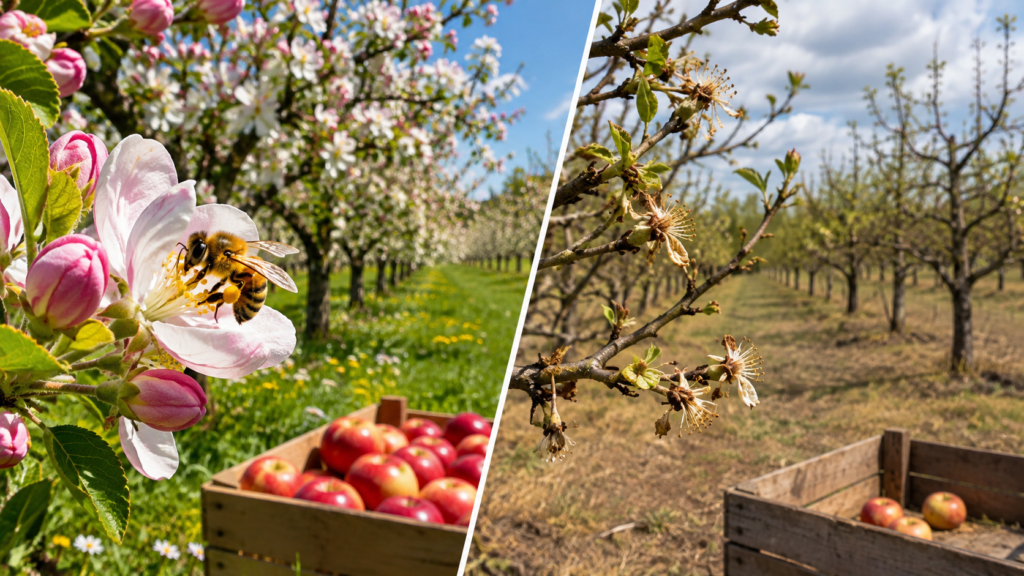
Imagine walking through your local grocery store and finding fewer fresh fruits, vegetables, and nuts on the shelves. Some of your favorite foods might be harder to find, more expensive, or less readily available throughout the year. While this might seem like an extreme scenario, it highlights an important question: What could happen if bee populations continue to decline?
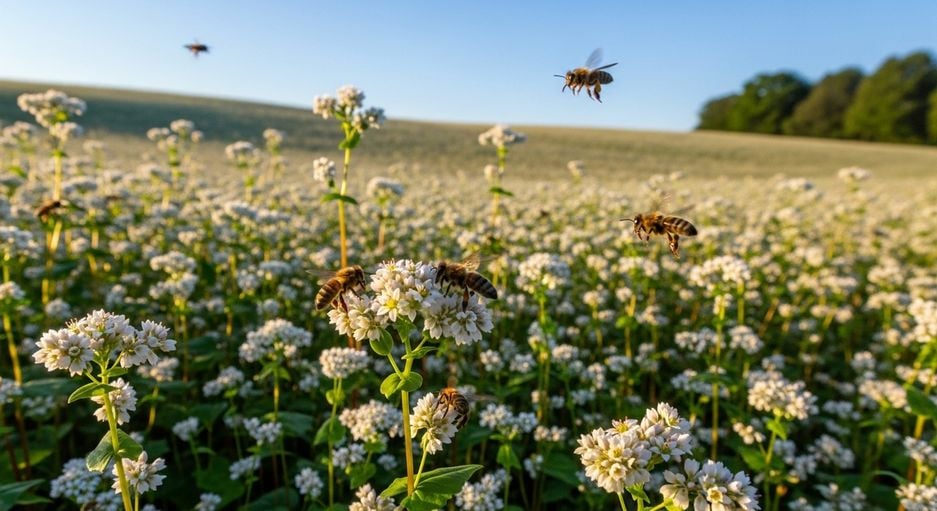
Bees play an essential role in pollinating many of the crops we depend on, but their importance goes far beyond agriculture. They also help maintain biodiversity, support natural ecosystems, and contribute to the health of our environment. As bees face growing threats from habitat loss, poor nutrition, pesticide exposure, parasites, and disease, the consequences could affect all of us.
Our Food Supply Could Become Less Diverse
According to the USDA Natural Resources Conservation Service, approximately 35% of the world’s food crops depend on animal pollinators to reproduce. Bees are among the most important of these pollinators, helping produce foods such as apples, blueberries, almonds, cherries, and squash.
If bee populations continue to decline, some crops could experience reduced yields or lower-quality harvests, depending on how heavily they rely on pollination. Over time, this could affect the availability and affordability of certain foods, particularly fruits, vegetables, and nuts.
Not every crop depends on bees. Staple foods such as wheat, rice, and corn rely primarily on wind pollination or other reproductive processes. However, losing important pollinators could make it harder to maintain the variety of nutritious foods that contribute to a balanced diet.
Farmers and Food Businesses Could Face Greater Challenges
The consequences of declining bee populations wouldn’t stop at the grocery store. Farmers who grow pollinator-dependent crops could face additional challenges maintaining consistent harvests, potentially affecting their productivity and profitability.
Fewer available pollinators may also increase the pressure on managed honey bee colonies used for commercial crop pollination. According to the 2025–2026 U.S. Beekeeping Survey, beekeepers experienced an estimated 39.9% annual loss rate among managed honey bee colonies. While this doesn’t mean the total honey bee population declined by that percentage, it demonstrates the ongoing challenges of maintaining healthy colonies.
For businesses involved in agriculture, food production, natural products, and related industries, pollinator health is more than an environmental concern. It’s connected to the long-term resilience of the agricultural systems their products and customers depend on.
Biodiversity and Natural Ecosystems Could Suffer
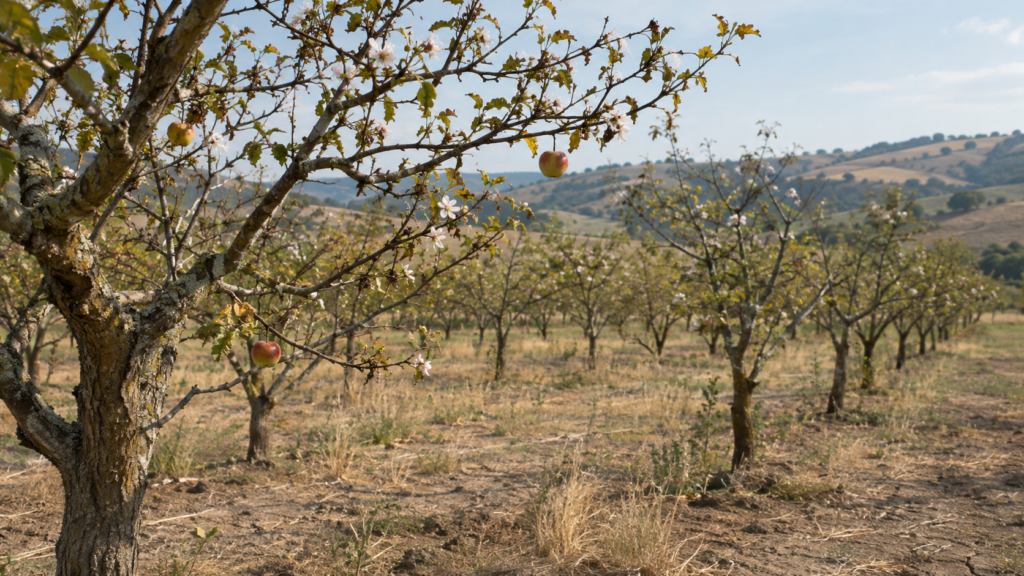
Bees aren’t just important for crops. They also help wildflowers, shrubs, trees, and other flowering plants reproduce, supporting the natural habitats that countless species depend on.
According to the Intergovernmental Science-Policy Platform on Biodiversity and Ecosystem Services, nearly 90% of wild flowering plant species depend at least partly on animal pollination.
If pollinator populations decline, some plant species may have more difficulty reproducing. This could gradually change the composition of natural habitats and reduce resources available to birds, mammals, insects, and other wildlife.
These connections matter because biodiversity helps ecosystems remain healthy and resilient. Protecting bees and other pollinators is one important part of protecting the larger environments that support life around us.
What Can We Do to Help Protect Bees?
Although the challenges facing bees are serious, there are practical ways to help protect them. Improving bee nutrition, restoring diverse flowering habitats, reducing harmful pesticide exposure, and supporting sustainable agricultural practices can all contribute to healthier environments for pollinators.
Research and education are also essential. Scientists continue studying how nutrition, parasites, disease, and environmental stressors affect colony health, helping identify ways to improve bee resilience. Farmers, businesses, and communities can use this knowledge to make more pollinator-friendly decisions.
As we discussed in our earlier blog, What Does Regenerative Agriculture Have to Do With Bees?, healthier agricultural landscapes can support better bee nutrition while benefiting the land and the ecosystems surrounding it.
Protecting Bees Means Protecting Our Future
The decline of bees isn’t a problem that affects only beekeepers or farmers. It has the potential to influence the foods we eat, the businesses that produce them, and the natural environments we all depend on.
At Save the Bee, we support bee health research, pollinator habitat restoration, and education to help address these challenges. Whether you’re an individual who cares about the future of our food supply or a business committed to sustainability, you have an opportunity to make a difference.
Support our mission or explore our corporate partnership opportunities to help protect bees, support sustainable agriculture, and build a healthier future for all of us.