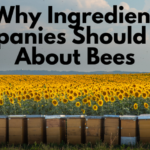
SAVE the BEE is heading to IFT 2026, and we’ll be doing it from the Start-Up Pavilion. In some ways, that feels exactly right. We are not a start-up in the traditional sense; we’re not launching a new ingredient, a new formulation platform, or the next food technology company. But we are trying to change the way people think about where food begins, and that kind of work often feels entrepreneurial. Some days, it even feels a little revolutionary.
At SAVE the BEE, we spend a lot of time talking with people across food, agriculture, ingredients, manufacturing, retail, and sustainability. One thing we hear often is that companies are thinking hard about sourcing. They want to know where their ingredients come from, who grows them, how they are processed, and how they move through the supply chain. Those are important questions, and the food industry should be asking them.
But they are not the first questions.
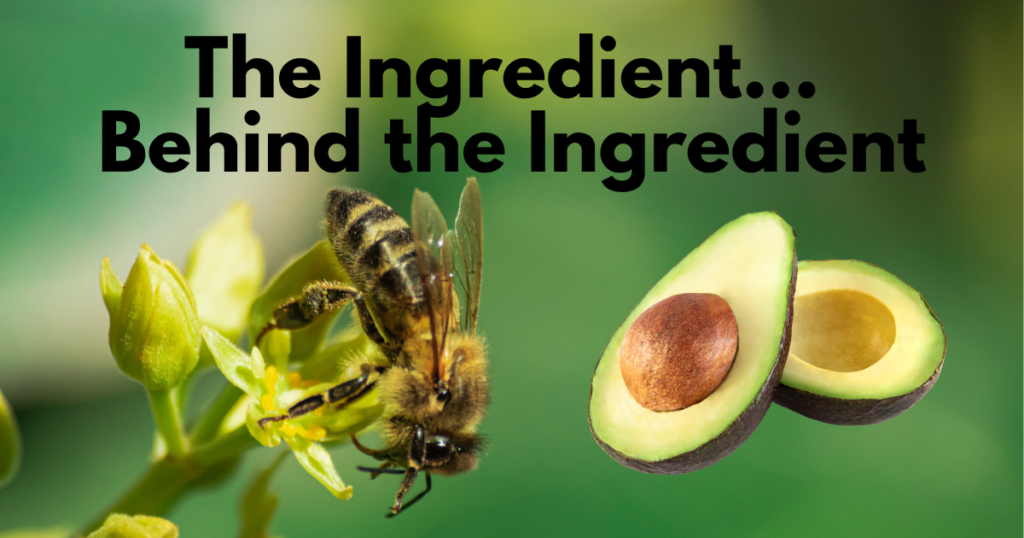
Before we ask where an ingredient comes from, we need to ask what made that ingredient possible in the first place. Before there is almond butter, there is an almond blossom. Before there is orange juice, there is an orange flower. Before there is avocado oil, there is an avocado tree in bloom. Before there are berries, melons, nuts, seed crops, spices, fruits, vegetables, and so many of the ingredients food companies depend on, there is pollination.
And more often than not, there is a bee.
Most food companies spend enormous time and money thinking about supply. They think about price, availability, quality specs, certifications, processing, logistics, shelf life, labeling, and customer demand. All of that matters. But too often, the conversation starts too far downstream. An ingredient does not begin at the warehouse. It does not begin at the processing facility. It does not begin with a purchase order, supplier contract, freight lane, or finished product specification.
It begins in a field, orchard, pasture, or farm system. In many cases, it begins with a pollinator moving from flower to flower, doing the biological work that allows crops to set fruit, produce seed, and become food. That is the ingredient behind the ingredient. It is the step before sourcing, before processing, before formulation, before manufacturing, and before any brand can make a promise on a package.
When people talk about food systems, they often talk about farms, factories, trucks, stores, restaurants, and shelves. But bees are working before most of that system begins. They are part of the original infrastructure of food, though not the kind made from steel, concrete, software, or machinery. They are living infrastructure. Biological infrastructure. The kind we rarely notice until it starts to weaken.
For ingredient companies, this should matter. If you sell fruit ingredients, pollinators matter. If you sell nut ingredients, pollinators matter. If you sell seed-based ingredients, pollinators matter. If you work in flavors, botanicals, oils, juices, frozen foods, dairy, meat, snacks, beverages, or prepared foods, pollinators are likely connected to your supply chain in ways that are easy to overlook.
Even livestock is connected. Bees do not pollinate cattle, of course. But they do help support the forage and feed systems behind many animal agriculture supply chains, including alfalfa, clover, seed crops, and pasture systems. In other words, they help support the plants behind the animals behind the protein.
That is the point. Pollination is not a niche environmental issue. It is a food system issue. It is a sourcing issue. It is a business issue.
The food industry is good at innovation. It can develop new products quickly, reformulate around consumer trends, improve packaging, extend shelf life, refine processing, and use technology to trace ingredients across the globe. But one of the most important systems in food remains underappreciated because it happens quietly, upstream, and mostly out of sight.
Pollination does not look like innovation. It looks like a bee on a flower. But that small act helps make enormous food systems possible. It helps turn bloom into crop, crop into ingredient, ingredient into product, and product into revenue, jobs, meals, brands, and markets.
That is why companies cannot afford to think about bees only as a symbol of nature. Bees are part of the production system. They are part of the value chain. They are part of the future of food.
IFT is where food science, ingredient innovation, manufacturing, sourcing, and product development come together. That is exactly why SAVE the BEE needs to be there. We are not attending because we sell an ingredient. We are attending because pollinators help make ingredients possible.
We are there to remind the food industry that the future of food does not begin only in a lab, plant, or boardroom. It begins in relationship with the living systems that make food possible. Healthy pollinators support healthier crops. Healthier crops support stronger supply chains. Stronger supply chains support better business. And better business gives companies the ability to invest upstream before problems become crises.
That is the conversation we want to have at IFT. Not guilt. Not greenwashing. Not vague environmental language. A practical conversation about how food and ingredient companies can protect the source of what they sell.
Every company wants a stronger supply chain. Every brand wants more trust. Every ingredient supplier wants consistency, quality, and long-term resilience. Pollinators belong in that conversation because before food becomes food, it has to begin somewhere.
And for much of the food we love, source, formulate, manufacture, sell, and serve, that beginning is not a factory.
It is a flower. And the ingredient behind the ingredient is the bee.