Take a look at the honey in your kitchen. Do you know where it came from?
If you’re like most people, you probably haven’t given it much thought. Honey is honey, right?
Not exactly.
This National Honey Month, here’s a surprising number worth knowing: imported honey accounted for 78% of the U.S. honey supply in 2025, according to the USDA Economic Research Service.
In other words, imports now make up more than three-quarters of the U.S. honey supply.
That might leave you wondering: Why?
And more importantly, why should you care?
We Love Honey, but U.S. Production Hasn’t Kept Up
Americans eat a lot of honey. We drizzle it into tea, use it in recipes, add it to snacks, and find it in countless products on grocery store shelves.
Our appetite for it has also grown. According to the USDA, Americans consumed approximately 1.9 pounds of honey per person in 2025, nearly twice as much as we did in 1990.
But U.S. honey production hasn’t kept pace with that demand. In fact, USDA data show that U.S. honey production fell 14% in 2025 to 116 million pounds.
Imports help make up the difference.
There is more to this story, though, because the people producing honey in the United States aren’t just responsible for filling honey jars.
A Beekeeper’s Job Is About More Than Honey
When you picture a beekeeper, you might imagine someone in a bee suit pulling a frame dripping with golden honey from a hive.
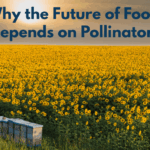
That is certainly part of beekeeping. But today, many commercial beekeepers also make an important part of their living by providing pollination services to farms.
As Honey Source explains in its look at the changing U.S. beekeeping industry, commercial beekeeping has increasingly shifted from a business centered primarily on honey production toward one in which crop pollination plays a major role.
Those bees help pollinate crops such as almonds, apples, cherries, cranberries, and melons.
So when we talk about supporting U.S. beekeepers, we’re talking about more than the people who produce the honey in your pantry. We’re also talking about beekeepers and honey bee colonies that help pollinate crops that eventually make their way to our grocery stores, kitchens, and tables.
Suddenly, that jar of honey has a much bigger story behind it.
Your Honey Is a Simple Place to Start
You don’t need to become a beekeeper to make a difference.
The next time you buy honey, turn the bottle around and look at the label. Find out where it came from. When you have the opportunity, consider buying honey produced by local or U.S. beekeepers. Visit a farmers market. Talk to a beekeeper. Ask questions about how and where the honey was produced.
Knowing the source of your honey is a small step, but it can help you become a more informed consumer while supporting the people behind the product.
And regardless of whether honey comes from the United States or elsewhere, transparency matters. Knowing where honey originates helps create a more traceable honey supply chain and allows consumers to make informed choices about what they buy.
Honey Bee Health Matters Beyond the Honey Jar
Here’s the bigger takeaway this National Honey Month: you don’t have to care about honey to care about honey bees.
Honey bees face challenges from pests and diseases, access to nutritious forage, habitat loss, and other environmental pressures. Supporting healthier honey bee populations means supporting the research, habitat, and education needed to better understand and address those challenges.
That work can also support the beekeepers who care for colonies and the agricultural systems that rely on managed pollination.
You can learn more about honey bees and why they matter and discover how something as small as a bee connects to a much larger food and farming story.
This National Honey Month, Bee Part of the Solution
National Honey Month can be about enjoying your favorite honey. But it can also be an opportunity to think about everything that had to happen before that honey reached your kitchen.
A beekeeper cared for the colony. Bees traveled from flower to flower. Farmers grew crops that provided forage. Researchers continue working to understand honey bee health challenges. And across the country, people are working to give bees a healthier future.
You can be part of that story, too.
When you become a Save the Bee Bee-Keeper, your monthly support helps fund honey bee health research, develop pollinator habitat, and educate the next generation of beekeepers and bee stewards.
And there’s something sweet in it for you, too. Bee-Keepers receive uniquely True Sourced honey three times a year, along with special updates, event access, and other benefits that keep you connected to the work your support makes possible.