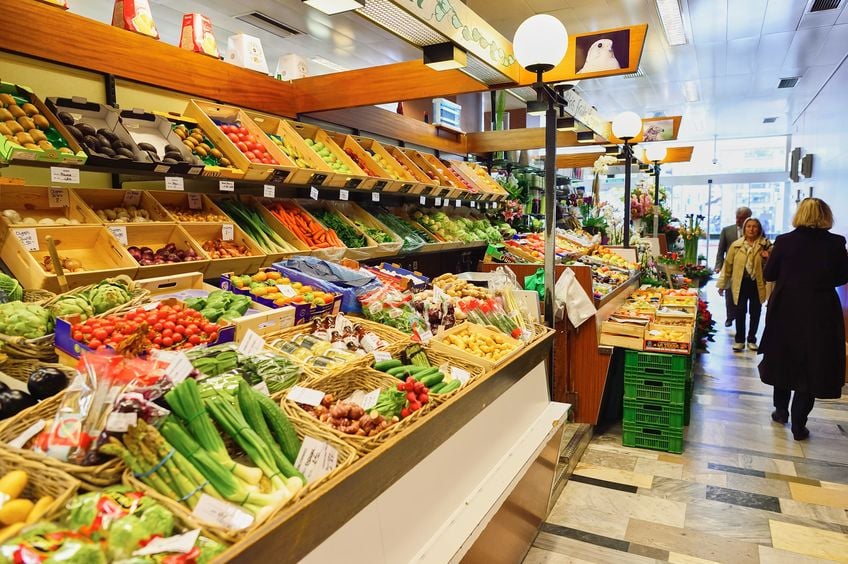
Think about your last trip to the grocery store.
Maybe you picked up apples for lunches, cranberries for a fall recipe, a bag of almonds for snacking, or a pumpkin for the front porch. You probably weren’t thinking about bees as you moved through the aisles.
But many of the foods we associate with fall have a connection to bees and other pollinators.
According to the USDA, about 35% of the world’s food crops depend on animal pollinators to reproduce. That doesn’t mean our grocery stores would suddenly be empty without bees, but the variety of foods available to us could look very different without healthy populations of pollinators.
Take Another Look at the Produce Aisle
Many foods begin with a flower, and that flower often needs a little help before it can become the fruit, vegetable, or nut we eventually bring home.
Apples, blueberries, cranberries, squash, and almonds are just some examples of crops that benefit from animal pollination.
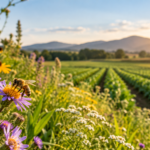
Here in Oregon, the connection is especially easy to see in blueberry fields. Oregon State University explains that insect visits during blueberry bloom are essential for sustaining commercial blueberry yields, with managed honey bees providing most commercial blueberry pollination in the state.
Months before those blueberries end up in a grocery cart or breakfast bowl, bees are already at work.
And that’s just one crop.
Honey Bees Are Only Part of the Story
Honey bees play an important role in agriculture because managed colonies can be moved to farms when large numbers of pollinators are needed during a crop’s bloom.
But protecting pollinators isn’t only about honey bees.
The United States is also home to more than 3,500 species of native bees, according to the USDA. Butterflies, moths, beetles, birds, bats, and other animals contribute to pollination too.
That’s why efforts that support healthy habitats can have an impact beyond a single hive or species. Diverse landscapes with the food and habitat pollinators need can help support the larger ecosystems surrounding our farms and communities.
It’s also why what benefits honey bees can matter to the bigger pollinator picture.
Bees Connect Us to the People Growing Our Food
Pollination isn’t something that happens separately from the rest of agriculture.
Beekeepers care for colonies that travel to farms to pollinate crops. Growers depend on successful pollination for many of the foods they produce. Researchers study ways to improve bee health and colony resilience. Communities can help create habitat that gives pollinators access to the nutrition they need.
These connections are especially important for anyone who cares about locally produced food, sustainable agriculture, biodiversity, or knowing more about where their food comes from.
Healthy pollinators are one piece of a much larger system that helps move food from farms to our tables.
Your Shopping Cart Tells a Bigger Story
The next time you’re shopping for groceries, take another look at what’s in your cart.
Think about the blueberries in your yogurt, the apples packed in a lunch, the almonds you grab for a snack, or the squash you’re serving with dinner. Long before those foods reached the store, pollinators may have played a role in helping produce them.
You don’t have to manage a hive to have a stake in the future of bees.
If you care about the food on your table, the farmers who grow it, agricultural diversity, or healthy ecosystems, you already have a reason to care about pollinators.
Help Protect the Pollinators Behind Our Food
At Save the Bee, we support practical efforts that help create a healthier future for bees and the agricultural systems that depend on them. That includes supporting pollinator habitat, advancing bee health research, and working with growers and communities to help pollinators thrive.
Your support can help move that work forward.
Donate to Save the Bee and help support healthier pollinators, stronger ecosystems, and the food systems we all rely on.