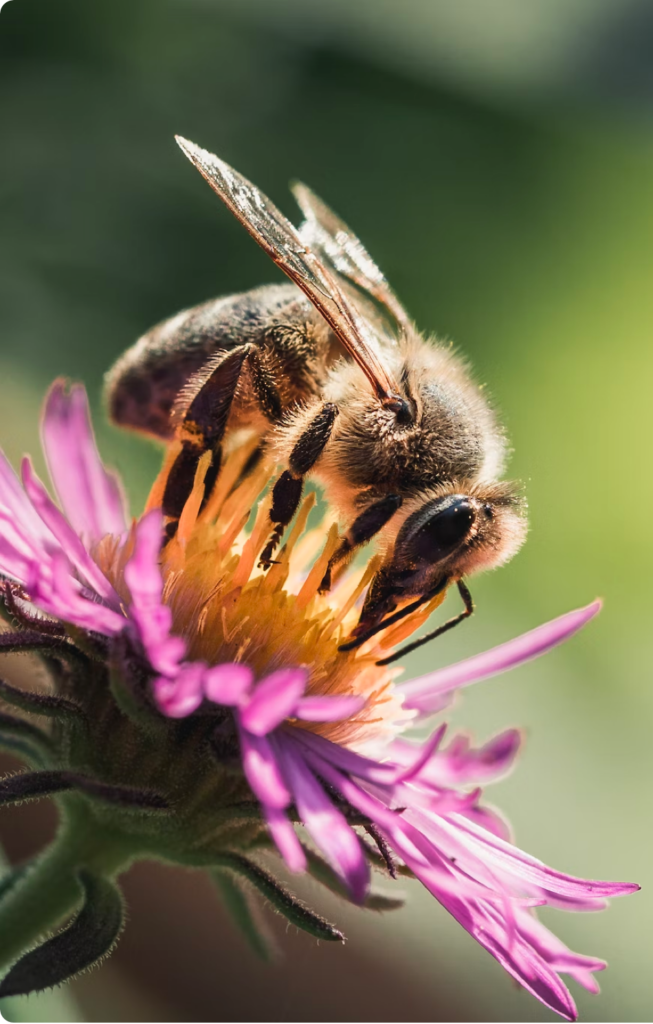

When you think about helping bees, planting a few flowers in your backyard might be one of the first things that comes to mind. While pollinator-friendly gardens are a great place to start, the benefits of protecting bees extend far beyond your own property.
Bees and other pollinators play an important role in supporting local farms, natural habitats, and the food supply we all depend on. Whether you live in a rural community surrounded by farmland or a neighborhood with small gardens and parks, healthy pollinator populations can benefit the environment around you. Here’s why supporting pollinators matters to more than just your backyard.
Healthy Pollinators Help Support Local Farms
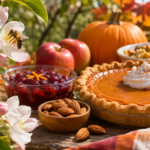
Many of the foods we enjoy depend on pollination to grow. Apples, blueberries, almonds, squash, and many other crops rely on bees and other pollinators to help produce fruits, vegetables, nuts, and seeds. For local farmers, having access to healthy pollinator populations can make an important difference in crop production. Pollination helps many plants reproduce successfully, supporting agricultural productivity and the variety of foods available to consumers.
But bees don’t recognize property lines. They travel between farms, gardens, flowering trees, and natural habitats in search of food. That means the plants growing outside agricultural fields can also provide valuable resources for pollinators that visit nearby crops. As we explored in our blog, What Does Regenerative Agriculture Have to Do With Bees?, farming practices that support diverse flowering plants and healthier habitats can benefit both pollinators and agricultural landscapes. By supporting pollinator conservation, we’re helping create healthier environments for bees while also supporting the farms and communities that depend on them.
Pollinator Habitats Benefit More Than Bees
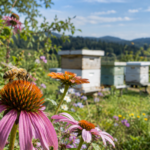
Creating pollinator-friendly habitats isn’t just about giving bees more flowers. These spaces can also support butterflies, beneficial insects, birds, and other wildlife that depend on healthy ecosystems. Native flowering plants provide nectar and pollen for pollinators while creating additional food sources and shelter for other species. According to the USDA Natural Resources Conservation Service, pollinators play an essential role in helping flowering plants reproduce.
Planting diverse vegetation can offer additional environmental benefits, too. Depending on the plants and location, restored habitats can help improve soil stability, support water quality, and provide shelter for beneficial insects that help manage agricultural pests. These benefits can extend across parks, farms, roadsides, and natural areas, contributing to healthier ecosystems throughout the community.
Small Actions Can Make a Bigger Difference Together
You don’t need acres of land to make a difference for pollinators. Even small changes around your home can contribute to a healthier environment when more people get involved. Planting native flowers, choosing plants that bloom at different times of the year, reducing unnecessary pesticide use, and protecting nesting areas are all ways individuals can help support pollinator health.
When neighbors, schools, businesses, and community organizations make similar efforts, they can collectively provide more places for bees to find food and shelter. This is especially important because pollinators need reliable access to nutrition throughout the growing season. A combination of gardens, parks, and restored natural spaces can help provide different flowering resources as the seasons change. While no single garden can solve every challenge facing bees, community-wide conservation efforts can make a meaningful contribution.
Supporting Pollinators Helps Build Healthier Communities
At Save the Bee, we believe protecting pollinators requires a collective effort. That’s why our work focuses on bee health research, pollinator habitat restoration, and education that encourages people to make more bee-conscious decisions. Through our habitat restoration and conservation initiatives, we’re helping create healthier environments for honey bees and native pollinators while supporting sustainable agriculture and biodiversity.
And you don’t have to be a beekeeper or farmer to contribute. Supporting conservation efforts is one way to help protect the natural systems that provide food, maintain healthy ecosystems, and benefit communities everywhere. Whether you’re planting flowers at home or contributing to larger conservation projects, your involvement helps support a healthier future for pollinators.
Right now, your donation can make twice the difference! Thanks to two generous donors, we have $25,000 in matching funds available through Giving Tuesday, December 1. Eligible donations will be matched dollar for dollar, up to $25,000, while matching funds remain.
Double the Gift Today and help us continue protecting bees, restoring pollinator habitats, and building a healthier future for the communities we all share.