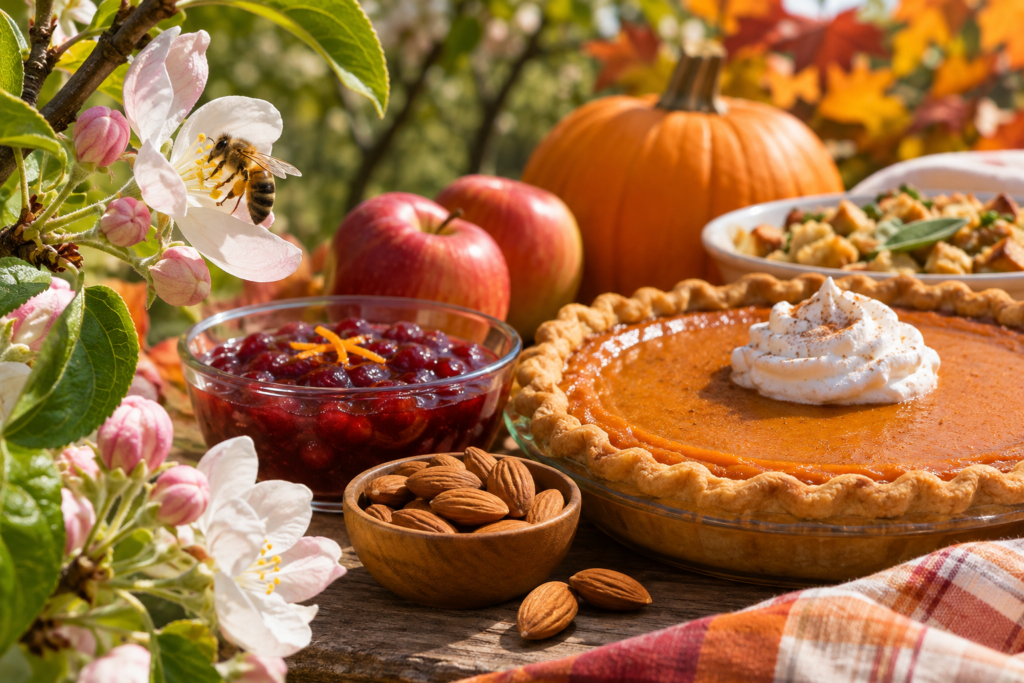
Thanksgiving is a time to gather with family and friends, enjoy our favorite holiday dishes, and reflect on what we’re grateful for. But as you sit down to enjoy your meal this year, there’s something you might not think to give thanks for: bees and other pollinators.
From pumpkin pie and cranberry sauce to apple desserts and holiday stuffing, pollinators play an important role in producing many of the foods we enjoy during Thanksgiving. Their work happens long before these dishes reach our tables, supporting the farmers, crops, and agricultural systems that make our holiday meals possible.
Let’s take a closer look at some Thanksgiving favorites that have pollinators to thank.
Pumpkin Pie Starts With Pollinators
Pumpkin pie is a Thanksgiving staple, but those pumpkins wouldn’t develop properly without help from pollinators. Pumpkin plants produce separate male and female flowers, and pollen must be transferred between them for fruit to develop.
Bees are especially important for this process. According to the University of California Agriculture and Natural Resources, native squash bees specialize in pollinating pumpkins and other plants in the squash family. Honey bees and bumble bees can also contribute to pollination.
So, whether you’re baking pumpkin pie or preparing roasted squash for Thanksgiving dinner, there’s a good chance pollinators helped make those dishes possible.
Cranberry Sauce Relies on Bees, Too
Cranberry sauce is another holiday favorite with an important connection to pollinators. Cranberry plants produce flowers that must be pollinated to develop the berries used in sauces, desserts, and other seasonal recipes.
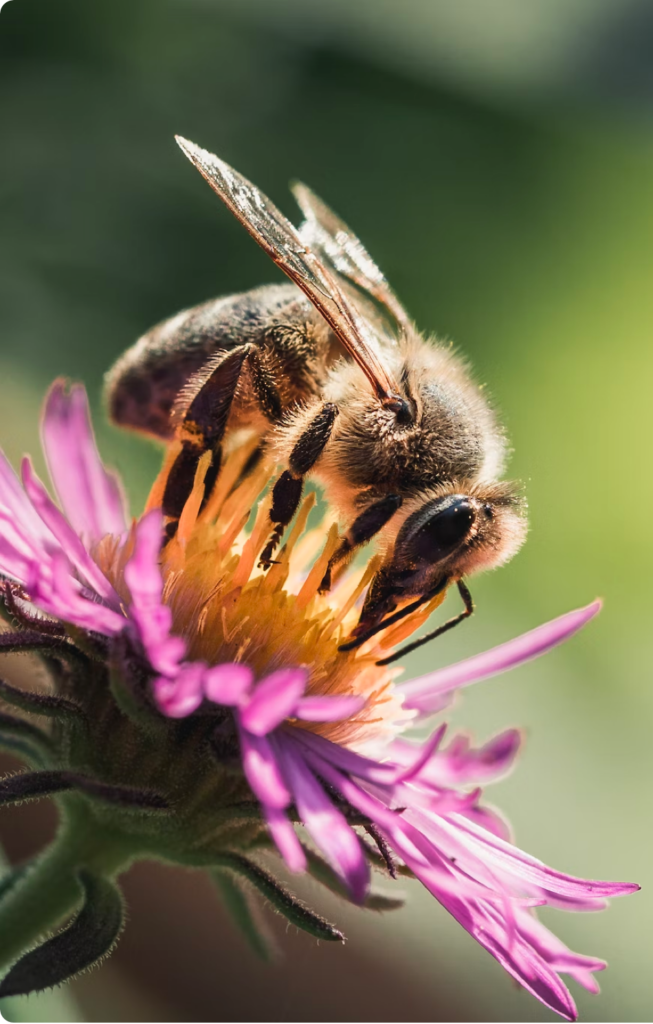
Bumble bees and other native bees are particularly effective cranberry pollinators because they can use a technique called buzz pollination, vibrating their bodies to release pollen from flowers. Honey bees also contribute to cranberry production, even though they don’t perform buzz pollination.
This is one reason protecting a diversity of pollinator species matters. Different bees have different abilities, and together they help support the production of crops we depend on.
Apples, Almonds, and Other Holiday Favorites
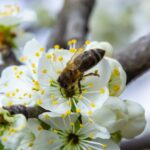
If apple pie, apple crisp, or homemade applesauce is part of your Thanksgiving tradition, pollinators have played a role there, too. Apple trees depend heavily on insects, including honey bees and native bees, to transfer pollen between blossoms and produce fruit.
Almonds are another example. They often appear in holiday stuffing, salads, baked goods, and desserts. According to the USDA Economic Research Service, almond growers rely heavily on managed honey bee colonies for crop pollination.
Of course, not everything on the Thanksgiving table depends on bees. But many of the fruits, vegetables, and nuts that add variety and flavor to our meals benefit from their work.
Protecting Pollinators Means Supporting Our Food Supply
The connection between bees and Thanksgiving goes beyond individual dishes. Healthy pollinators help farmers produce reliable harvests, support biodiversity, and contribute to sustainable agriculture.
Unfortunately, habitat loss, poor nutrition, pesticide exposure, parasites, and disease continue to create challenges for bees and beekeepers. Providing diverse flowering habitats, supporting bee-conscious farming practices, and advancing bee health research are all important ways to address these challenges.
At Save the Bee, we’re working to protect pollinators through research, habitat restoration, and education. Our goal is to help create healthier environments for bees while supporting the agricultural systems that provide food for families everywhere.
This Thanksgiving, Give Thanks by Giving Back
As you gather around the table this Thanksgiving, take a moment to appreciate the pollinators that helped make some of your favorite dishes possible. Protecting bees is about more than preserving a single species. It’s about supporting the farms, ecosystems, and food supply we all depend on.
This Giving Tuesday, your generosity can go twice as far! Thanks to two generous donors, we have $25,000 in matching funds available through December 1. Every eligible donation will be matched dollar for dollar, up to $25,000, while matching funds remain.
Double the Gift Today and help us protect bees, support sustainable agriculture, and build a healthier future for the food and families we love.