There’s a sound that belongs to spring.
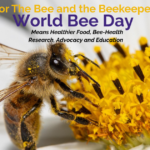
You hear it in gardens before you really notice it. A soft hum moving between blossoms. Bees drifting lazily through lavender, rosemary, apple trees, and clover patches while the rest of us move through our days without thinking much about it.
Most people never stop to listen for that sound.
And maybe that’s the point.
The natural systems we depend on most tend to work quietly in the background. Pollination is one of them.
No headlines flash across the screen when bees disappear from a neighborhood. No alarms sound when fewer pollinators return to a backyard garden each year. The loss arrives slowly. Quietly. One season at a time.
- A gardener notices fewer tomatoes.
- An orchard blooms, but produces less fruit.
- Wildflowers thin out along roadsides.
- Spring still comes. But something feels missing.
Scientists and beekeepers have been watching this happen for years. Honeybee colonies continue to face pressure from pesticides, habitat loss, parasites, disease, and climate instability. Native pollinators are struggling too. And while the causes are complex, the outcome is painfully simple: fewer pollinators mean weaker ecosystems and a more fragile food supply.
Roughly one out of every three bites of food we eat depends on pollinators.
Coffee. Blueberries. Cherries. Cucumbers. Almonds. Pumpkins.
The list goes on.
But this isn’t only about food. It’s about the texture of life around us. Healthy pollinator populations help sustain gardens, birds, flowering plants, and entire ecosystems that make the world feel alive in the first place.
The hardest environmental losses aren’t always dramatic. Sometimes they happen so gradually we adapt to them without realizing it.
Until one day the silence becomes normal.
World Bee Day (https://givebutter.com/world-bee-day_2026) exists to remind us that we still have time to change that story.
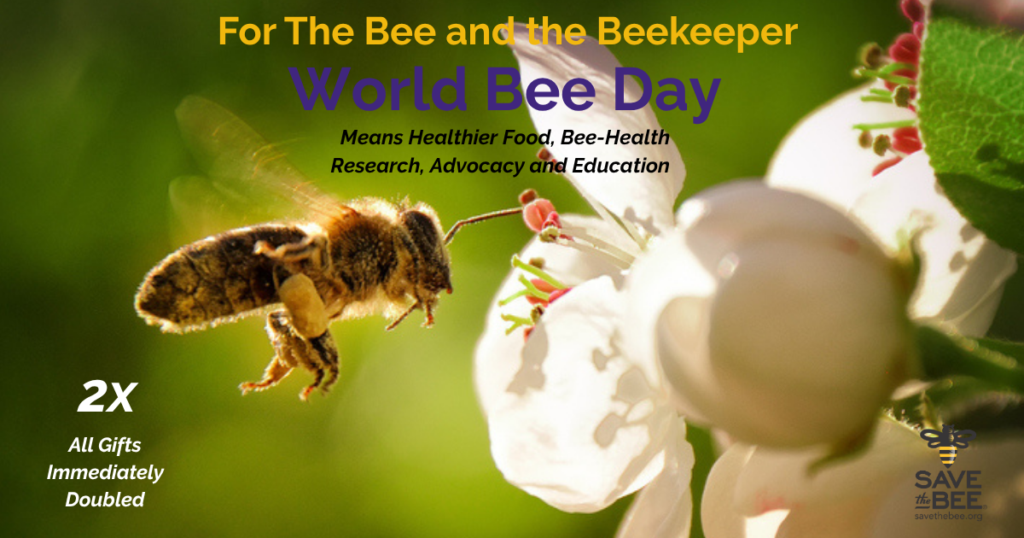
This year, we’re launching a 2:1 matching campaign to help protect bees and the ecosystems they support. Every donation made through World Bee Day will be double until we reach our $5,000 goal.
- A $25 donation becomes $50.
- A $50 donation becomes $100.
- A $100 donation becomes $200 for pollinator education, advocacy, awareness, and conservation efforts.
Small actions matter. Nature works that way too.
A single bee doesn’t seem important when you see one drifting through the garden. But millions of small acts, repeated every day, are what keep ecosystems alive.
The same is true for people. Silence spreads when people assume someone else will act. But bees don’t need passive concern. They need people willing to step in while there’s still time.
Your donation this week for World Bee Day helps fund education, advocacy, habitat support, and awareness efforts that protect pollinators before the silence grows louder.
If you believe future generations deserve springs filled with wildflowers, gardens full of food, and mornings that still hum with life, now’s the moment to help.
Don’t add to the silence. Help keep the world alive with sound.
https://givebutter.com/world-bee-day_2026