Spring is here! It shows up and something shifts.
You feel it in the longer days, the first warm stretch of sun, the urge to get outside and clean things up, plant something, make a few small changes. And somewhere in there, for a lot of people, comes the thought… I should probably do something for the bees.
That instinct is good.
But most people stop there, or they reach for the obvious things without really knowing what makes a difference. Plant a few flowers. Buy local honey. Maybe skip a spray or two.
None of that is wrong. It’s just incomplete.
Because while bees are already deep into the hardest part of their season, most of us are just getting started. The gap between those two realities is where this list lives. Not a long list. Not complicated. Just a handful of things that, done consistently, actually help.
1. Plant for early spring, not just summer color.
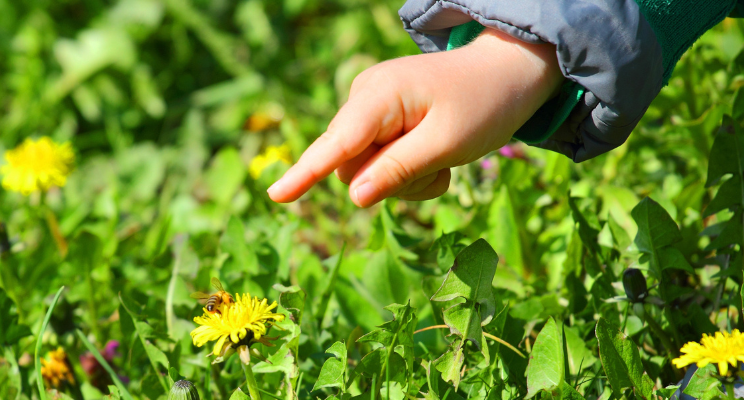
Most people think about bees when everything is in full bloom. But the real pressure point is earlier, when colonies are trying to rebuild and there isn’t much available yet. Early forage sets the tone for the entire season. Crocus, willow, maple, even dandelions all show up when bees need them most. That first wave of food matters more than a perfectly curated summer garden.
2. Let part of your space stay a little messy.
It’s hard to shake the habit of cleaning everything up the moment spring hits. Cut it back. Mow it down. Start fresh. But that “mess” is often where bees find food and shelter. Let a corner of your yard grow a bit. Leave the clover. Let dandelions come through before you reach for the mower. It doesn’t need to take over your space. It just needs to exist.
3. Think twice before you spray.
Even small, occasional use of pesticides adds up, especially in early spring when colonies are under pressure. If you can avoid it, skip it. If you can’t, be deliberate about timing and application. Bees don’t have a way to tell the difference between a treated space and a safe one. They just keep working.
4. Support a beekeeper, not just the idea of one.
Buying local honey is a start, but it’s also worth going a step further. Talk to the person behind it. Ask how their season is going. Pay attention to what they’re dealing with. This is a hard way to make a living right now, and the number of experienced beekeepers matters just as much as the number of hives. When you support them, you’re helping keep that knowledge and capacity in place.
5. Back the work that happens upstream.
Healthy bees don’t happen by accident. They come from better forage, stronger research, and systems that give both bees and beekeepers a fighting chance. That work often happens out of sight, long before it shows up in a hive or a harvest. Supporting organizations focused on habitat, science, and beekeeper support is one of the most direct ways to make a lasting impact.
None of this is complicated. And that’s kind of the point.
You don’t need to overhaul your life or turn your yard into a sanctuary overnight. You just need to make a few choices that stack up over time. Because while the challenges bees face are complex, the ways we show up don’t have to be.
If you read the bee’s to-do list, you know how much pressure sits on the other side of this equation. This is where we balance it, even a little. One yard. One purchase. One decision at a time.
And if you’re in a position to do more, this is the season to lean in. Supporting the work behind the scenes, the research, the habitat, the beekeepers holding this system together, helps carry some of that load in a way individual actions can’t.
Spring always feels like a reset. For bees, it’s a test.
For us, it’s a choice.